
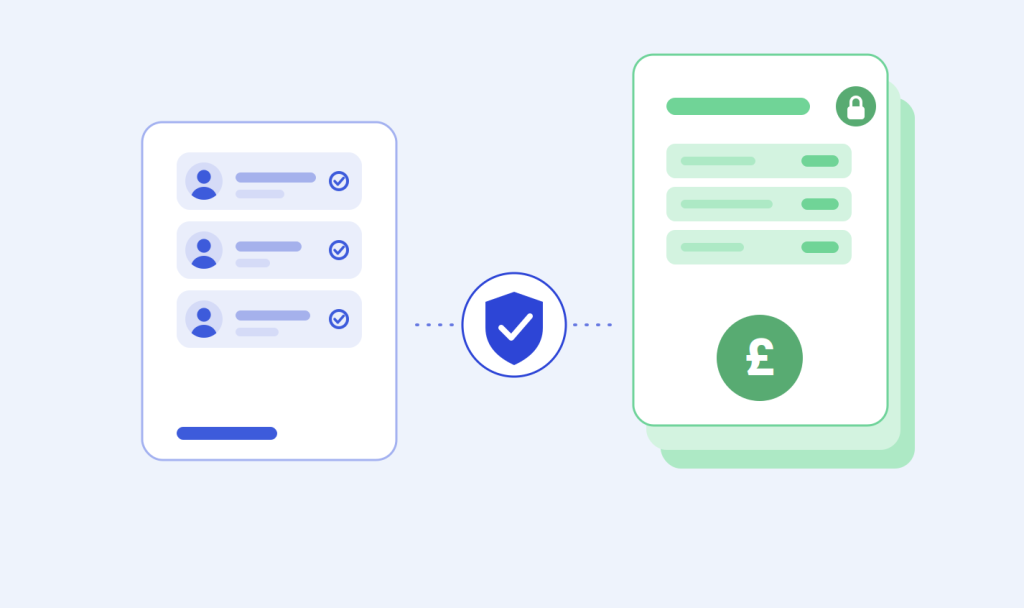
Quick answer: you can get more people in your team quoting by separating the process into survey capture, standard scope building, controlled pricing and approval. Give staff clear price libraries, minimum margins, templates and authority limits. Let the system handle repeatable work while senior estimators approve unusual, high-value or low-margin jobs.
The owner bottleneck
Many service businesses reach a point where one person becomes the bottleneck for every quote. They know the labour rates, access costs, tricks of the trade and acceptable margin, so every survey eventually comes back to them.
That may work at ten quotes per month. At fifty or a hundred, the owner spends evenings pricing instead of running the business.
The solution is not to let everyone guess. It is to turn expert knowledge into a controlled quoting system.
Step 1: Define what good survey information looks like
Before a team member can price consistently, they must collect consistent information. Create service-specific survey checklists that capture measurements, access, condition, labour constraints, materials, customer requirements and photographs.
If two surveyors look at the same job and capture completely different information, pricing will never be consistent.
Step 2: Build a pricing library
Document the costs and rules your experienced estimator currently carries in their head. Include labour rates, equipment day rates, materials, subcontractors, waste, travel, parking, permits and common production rates.
Where practical, create unit rates for repeatable services, but do not force every job into a simple rate when site conditions materially change the cost.
Step 3: Define margin rules
Your team needs to know not only what something costs but what the business must make.
Set minimum gross-margin or markup rules by service type and customer type. Make exceptions require approval. This stops an inexperienced user discounting a job simply because the customer asks.
Step 4: Create approval thresholds
A strong system does not treat every quote equally. Example:
- Surveyor can issue standard quotes up to £2,500 within approved margin.
- Team leader approves £2,500-£10,000.
- Commercial manager approves unusual access, new service lines or low-margin work.
- Director approves major tenders or strategic pricing.
The exact figures depend on your business, but the principle is powerful: delegate routine work while protecting risk.
Step 5: Standardise scope language
Pricing is not the only risk. Inexperienced estimators can accidentally promise too much.
Create approved scope modules, exclusions and assumptions for common services. Users select and tailor the correct content rather than invent contractual language each time.
Step 6: Make job history searchable
One of the best ways to train estimators is to show them comparable historical jobs. When pricing a roof clean, they should be able to see similar roof sizes, access methods, prices, labour days and outcomes.
Over time, this becomes a valuable internal pricing brain rather than a folder full of PDFs.
Step 7: Track quote outcomes
Record whether jobs are won or lost, why they were lost where known, and what the final job actually cost to deliver.
A pricing system improves only when it closes the loop between estimate and reality.
Step 8: Train judgement, not just software
Software does not replace commercial judgement. Teach staff how weather, access, customer expectations, programme, risk and operational complexity affect price.
Pair new estimators with experienced reviewers and discuss the reasons behind adjustments.
How AI can help junior estimators
AI can help structure survey notes, suggest relevant scope wording and surface similar historical jobs. It can also identify missing information before a quote is sent.
However, AI should not silently invent quantities, production rates or safety assumptions. The user needs to review and confirm critical details.
Use role-based permissions
When multiple people quote, the software should know who can do what. Useful roles include surveyor, estimator, approver, administrator and owner.
Every change to scope, price and approval should be attributable to an individual user. This creates accountability and helps businesses understand who is performing well.
Measure estimator performance carefully
Do not judge staff only by conversion rate. Someone could achieve a high win rate by underpricing every job.
Track a balanced set of metrics:
- Quotes created
- Time from survey to proposal
- Win rate
- Average gross margin
- Average job value
- Pricing changes during approval
- Final actual margin where available
- Scope issues or variations
What should happen when a user prices outside the rules?
Do not simply block the quote. Explain why it needs approval: “This price is below the minimum margin for this service” or “MEWP cost has not been included.”
That turns the system into a training tool rather than just a gatekeeper.
A sample team quoting workflow
- Surveyor completes structured survey.
- System drafts scope and proposal.
- Pricing library suggests standard cost components.
- Surveyor confirms quantities and adjustments.
- System checks margin and authority level.
- Standard low-risk quote can be issued.
- Higher-risk quote routes to approver.
- Approval history is recorded.
- Outcome and actual job data feed back into pricing intelligence.
How SurvAIPro fits
SurvAIPro is being designed to make quoting less dependent on one person by combining structured surveys, reusable company knowledge, AI-assisted proposal drafting and approval workflows.
The long-term opportunity is for businesses to retain their commercial rules while making it easier for more competent people in the team to create consistent proposals.
Frequently asked questions
Should everyone be allowed to change prices?
No. Give users authority appropriate to their role and experience. Sensitive pricing rules and minimum margins should be protected.
How do I stop junior staff underpricing?
Use a controlled cost library, minimum-margin rules and approval thresholds, then train them on why those rules exist.
Can AI price jobs automatically?
AI can assist by surfacing historical comparisons and identifying likely cost components, but human review is important, particularly for unusual or high-risk work.
Final thought
The goal is not “anyone can guess a price”. The goal is “more people can quote confidently inside a system built from your company’s knowledge.”
That is a much more scalable business than one where every quotation waits for the owner.